The short answer
Fragrance or fogging alone cannot clean soot.
Smoke travels beyond the burned room
Pressure and air movement can carry residue through doorways, wall openings, HVAC pathways, cabinets and fabrics. Inspection establishes the cleaning boundary before work begins.
Cleaning is material-specific
Paint, unfinished wood, metal, glass, textiles and electronics respond differently to residue and cleaning products. Fire-restoration professionals test methods to avoid spreading soot or damaging finishes.
Start the restoration request
Need restoration service for this property?
Send the address, callback number and a short description of the damage. You do not need to diagnose the problem before requesting help.
Odor-control methods
Depending on the source and materials, the project may use HEPA air cleaning, thermal or other fogging methods, hydroxyl treatment, ozone in controlled unoccupied conditions, sealing or specialist contents cleaning. The selected method should fit the property and residue.
Establish the smoke boundary
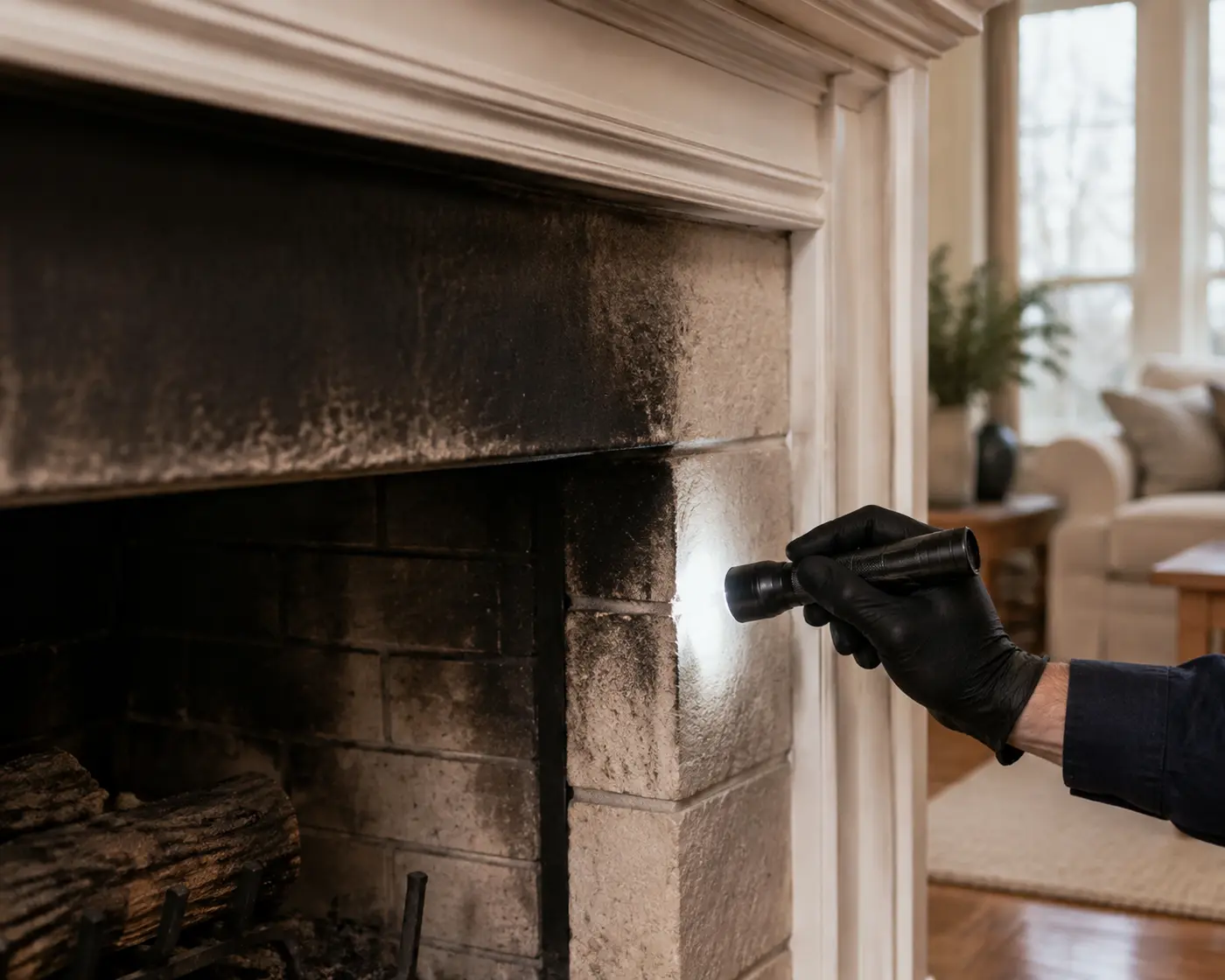
Inspect adjoining rooms, closets, cabinets, return-air paths and porous contents. Heat and pressure can carry fine residue into spaces with no visible flame damage. Wiping one test area can reveal residue that is difficult to see.
The scope should distinguish heavy soot, light settled residue and odor-only areas because they may require different work.
Clean from source to surface
Remove charred debris and unsalvageable porous material, then use methods suited to painted walls, wood, metal, glass, textiles and electronics. Dry soot, oily residue and protein-related fire residues do not respond the same way.
Test cleaning in an inconspicuous area and document finishes that cannot be restored without repainting, sealing or replacement.
Select deodorization after cleaning
The contractor should explain occupancy restrictions, sensitive materials and why the method fits.
A successful odor plan addresses the building and contents together. Cleaned rooms can be recontaminated if untreated contents return too early.
Smoke odor in local homes and multi-unit buildings
In Burlington and Winooski apartments or mixed-use properties, smoke can cross unit boundaries through halls, chases and shared mechanical paths. The inspection should distinguish the fire unit, adjacent spaces, common areas and contents before cleaning begins.
Cold weather can limit ventilation and create temporary-heating needs, but deodorization still follows residue removal. A rural home with extensive textiles and wood may need a different contents and surface plan than a modern commercial suite.
Odor methods and when they apply
Deodorizing comes last. The table shows the methods in the order they make sense.
| Step | What it does | Why it is in this position |
|---|---|---|
| Locate residue and damaged material | Finds the source of the odor | Odor without a source cannot be treated |
| Clean or remove the source | Takes soot and char out of the building | Fogging over soot does not clean it |
| Treat contents | Cleans or discards belongings by type | Contents re-release odor if untreated |
| Deodorize | Neutralizes remaining odor | Works only once residue is removed |
| Verify | Rechecks the space after treatment | Confirms the odor is gone before repair |
Clear answers
Common questions
Can air freshener remove smoke odor?
No. Fragrance may mask odor temporarily but does not remove smoke residue.
How long does smoke odor removal take?
It depends on fire size, residue, materials, contents and the amount of demolition and cleaning needed.
Why does the smell come back after cleaning?
Because residue is still somewhere the cleaning did not reach: inside HVAC, in insulation, in soft contents, behind trim. Odour returning is information about where to look next.
Do ozone or thermal fogging treatments work?
They are tools used after the source is removed, not instead of it. Applied to a building that still holds residue, they mask the odour temporarily and it returns.
Can clothing and soft furnishings be saved?
Many textiles can be professionally cleaned; heavily contaminated or delicate items may not survive. Have them assessed rather than binning or laundering them yourself, because a domestic wash can set the odour.
Authoritative references