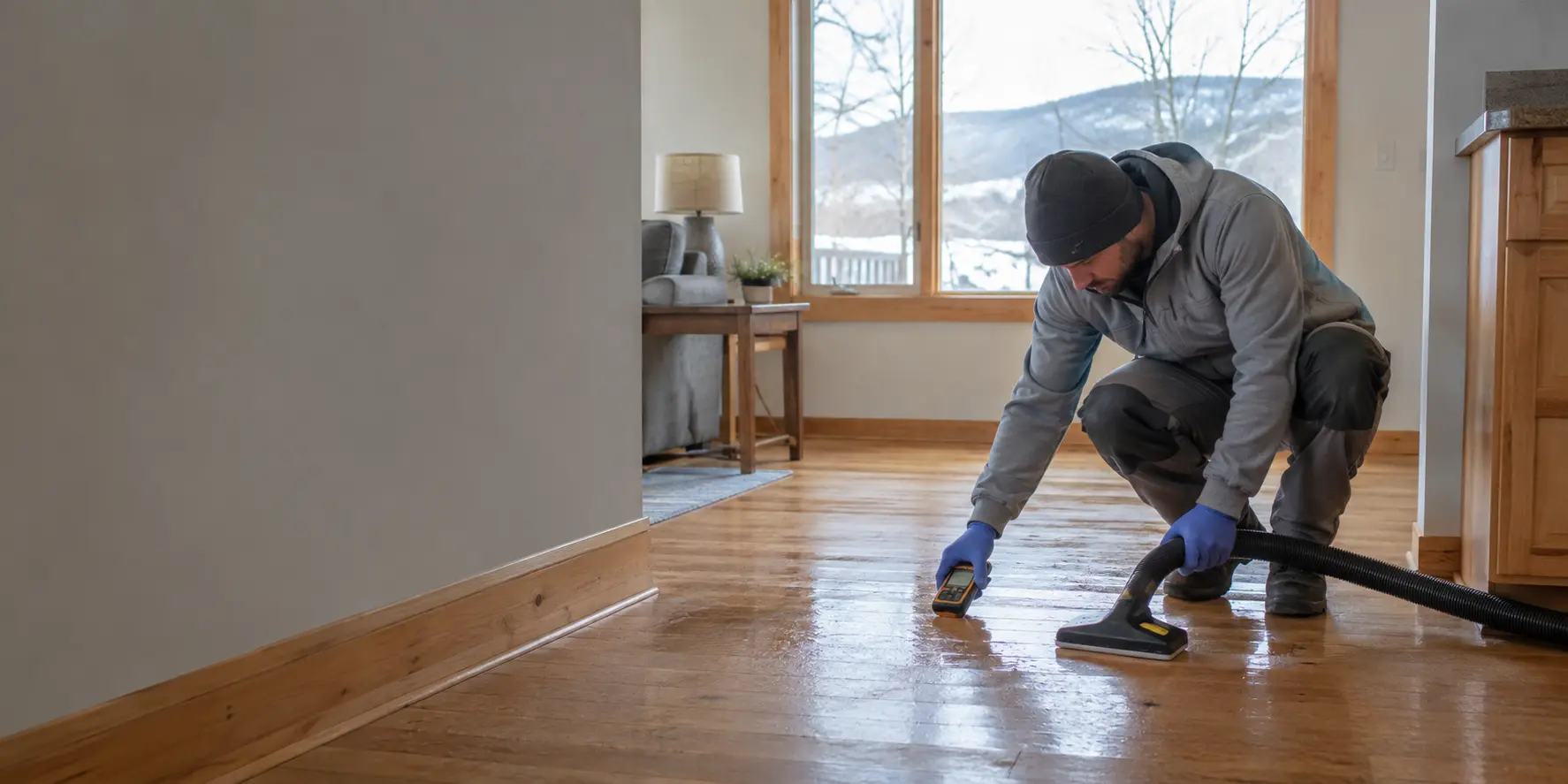
Restoration services across Greater Burlington, Vermont
Water, fire, mold or storm damage? Get restoration help.
Water, fire, mold, storm, and commercial restoration for Greater Burlington — matched to what actually happened at the property, not one generic cleanup process.
Residential restorationCommercial restorationGreater Burlington service area
Restoration by property type
Restoration by property type
A home, occupied rental and operating business need different access, contents and communication plans. Choose the closest path or send the request now.
Home restoration
Water, mold, sewage, fire, smoke, storm and repair work for houses, condos and apartments.
View home restoration help →Landlords & managersRental and multifamily
Unit-by-unit access, tenant coordination, building materials, contents and documented repair handoffs.
View managed-property restoration →BusinessesCommercial restoration
Work-zone planning, operating constraints, inventory, building systems and decision-focused reporting.
View commercial restoration →Planning toolBuild a project brief
Create a private, copyable damage summary before a service request or estimate. Nothing is submitted.
Open the project-brief builder →Property restoration services
Property restoration services
From a single leaking appliance to a flooded commercial building, the work starts with removing the water or damaged material, drying and cleaning the property, and planning the repairs needed to put it back together.
Water Damage Restoration
Water extraction, moisture detection, structural drying and repair planning after leaks, floods and plumbing failures.
Burst & Frozen Pipe Cleanup
Remove water and dry walls, ceilings, floors and insulation after a frozen or broken pipe.
Flooded Basement Cleanup
Pump-out, extraction, cleanup and drying for basement flooding, sump failures and groundwater intrusion.
Sewage Backup Cleanup
Cleanup and removal of contaminated water and damaged materials after a sewer or drain backup.
Storm & Flood Damage
Interior cleanup, debris removal, drying and restoration after heavy rain, flooding and severe weather.
Mold Remediation
Find the moisture problem, contain affected areas, remove damaged materials and complete a thorough cleanup.
Fire & Smoke Restoration
Board-up, soot cleanup, smoke odor removal, contents recovery and restoration after a fire.
Commercial Restoration
Water, fire, mold and storm-damage response for offices, retail, rentals and commercial properties.
More restoration services
Water damage restoration
Water removal and structural drying
Visible water is only part of the problem. Moisture can spread under flooring, behind walls, into insulation and through ceilings. Professional extraction, moisture readings and drying equipment help prevent more damage and get the property ready for repairs.
Get Water Damage HelpCommon problems
- Standing water or a flooded room
- Frozen, burst or leaking pipes
- Water heater, dishwasher or washing-machine leaks
- Roof leaks and ceiling water damage
- Sump pump failures and wet basements
- Sewage and drain backups
- Storm and outside floodwater
- Musty odors and visible mold
- Smoke, soot and fire damage
- Wet drywall, flooring, insulation and cabinets
- Damaged furniture, documents and contents
- Commercial, rental and multifamily property losses
Start the restoration request
Tell us what happened. We’ll get the restoration request moving.
Use the form for water, sewage, mold, fire, smoke, storm, contents or reconstruction service. Include the property address and the best number for follow-up.
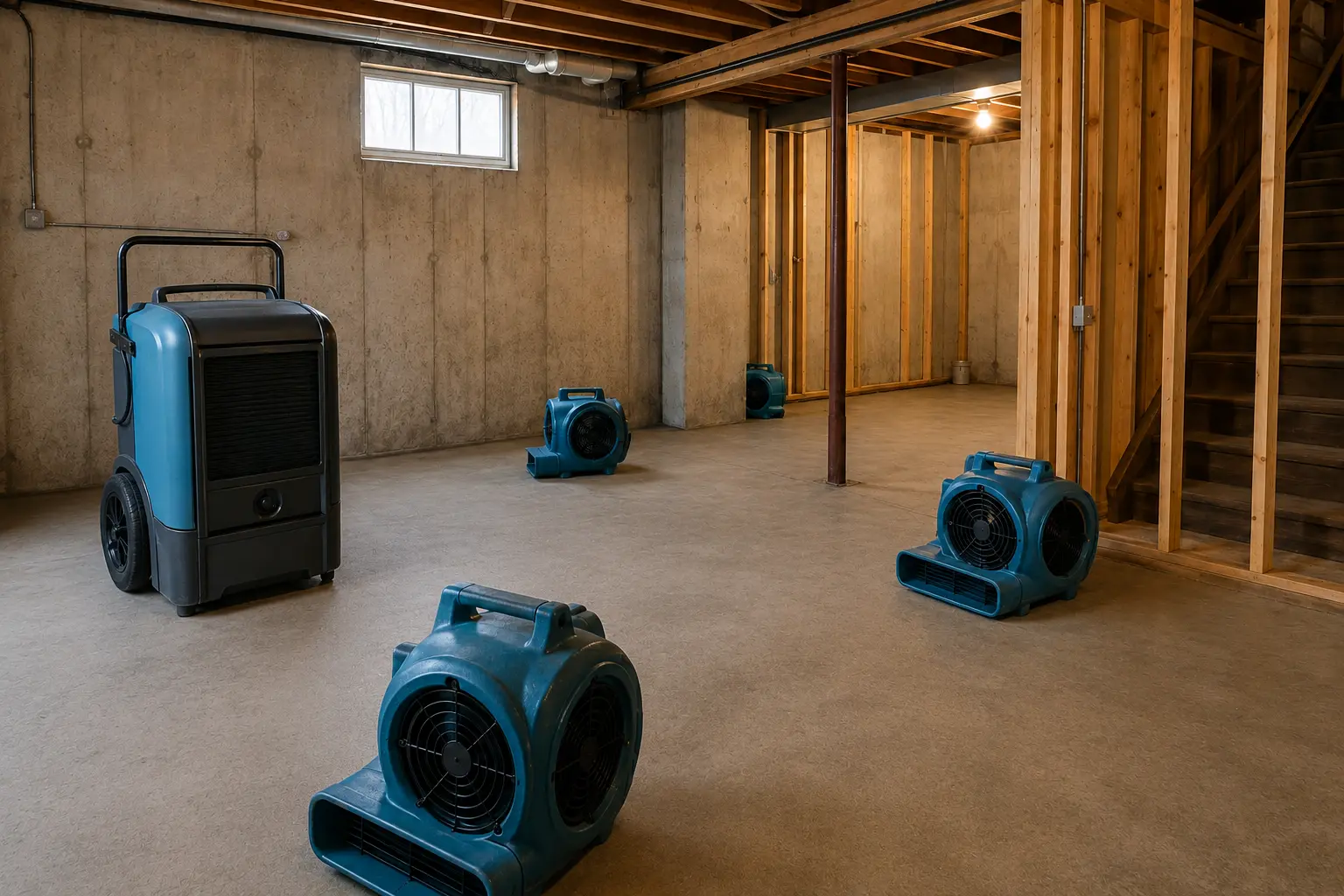
Complete damage restoration
Cleanup, drying and repairs for the damage to your building
The exact work depends on the source, the materials affected and how far the damage spread. You do not need to diagnose it before asking for help.
- Inspect the affected area, then extract, remove and dry with monitored equipment
- Clean, sanitize and remove soot or odor where fire or smoke was involved
- Handle contents cleaning, pack-out and storage coordination
- Plan and complete drywall, flooring, cabinet, trim, paint and other repairs
Local restoration service
Where we refer service
Request water, mold, sewage, fire, smoke and storm-damage restoration throughout Chittenden County and nearby communities.
View All Service AreasBefore you call anyone
Common questions
Straight answers about what this service is, what it covers and what happens next. 106 more are organised by decision on the FAQ page, and every question the site answers is indexed in one place.
Browse every question we answerIs Greater Burlington Restoration a restoration contractor?
No. It is a local service that publishes property-restoration information and passes service requests to an independent restoration company that performs the work. The company completing the project provides the inspection, scope, price, schedule and agreement.
What areas do you cover?
All thirteen Vermont counties: twenty-nine towns from Burlington and South Burlington through Colchester, Essex, Williston, Milton and Shelburne to Richmond, Jericho, Underhill, Cambridge, Jeffersonville, Fairfax, Montpelier, Barre, Rutland, Bennington, Brattleboro, St. Johnsbury, Newport, Island Pond, Middlebury, Randolph and South Hero. Each has its own service-area page.
What should I do right now if water is coming in?
Stop the water at its source or the main shutoff if you can reach it safely, keep power off in any wet area, move what is portable out of the water, and photograph everything before anything is moved. Then send a request and call your insurer.
What does restoration cost?
It depends on how much material got wet, how contaminated the water was, how long it sat, and how much can be dried instead of removed. Nobody can give a real figure without inspecting the property, and a phone quote is a guess that will change.
Do you handle commercial property as well as homes?
Yes. Restaurants, medical and dental practices, schools, hotels, retail, managed and multifamily property, congregations, warehouses, offices and senior living all have their own pages describing what differs for that occupancy.
Will my insurance cover this?
That is your insurer's decision and nothing here can make it. As a general pattern, sudden internal failures such as a burst pipe are commonly covered and rising surface water usually needs separate flood insurance. Report the loss promptly and ask them directly.
Insurance documentation
Insurance documentation
Photos, moisture readings, cleanup records, equipment logs, damaged-material lists and repair estimates can make it easier to explain what happened and what work was completed. Your insurance company makes the final coverage decision.
Restoration & InsuranceRestoration blog
Restoration guides
Hail damage: what it does and what it hides
How hail damages roofing, siding and mechanical equipment, why the damage is often invisible from the ground, and how a claim is documented.
Read article →How the work worksWhat all that drying equipment is actually doing
Air movers, dehumidifiers, air scrubbers and containment: what each machine contributes and why turning any of them off sets the job back.
Read article →How the work worksMoisture meters: what the readings mean and why they matter
The difference between pin and pinless meters, what a dry standard is, and why a number without a baseline tells you nothing.
Read article →How the work worksClass of water loss: the number that sets the drying plan
Category describes contamination; class describes how much material got wet and how hard it will be to dry. Both appear on your scope and they mean different things.
Read article →How the work worksOzone, hydroxyl and thermal fogging: what odour treatments do
The three treatments people hear about after a fire, what each one is for, and why none of them works before the source is removed.
Read article →How the work worksContainment and negative pressure: why the plastic matters
What containment is actually doing, how negative pressure is achieved and verified, and why a badly built containment is worse than none.
Read article →Compare estimates
Compare restoration estimates
How to compare any restoration estimate: which legal entity signs the authorization, how to read a scope against your building, and where emergency work ends and repairs begin.
How to compare restoration estimatesProperty restoration resources
Restoration resources
Use the glossary, checklists, Vermont source directory, FAQs and long-form guides when you want more detail. If the property needs service, the request stays short.
Browse all resourcesWater, mold, sewage, fire or storm damage?
Request restoration help
Send the service address, callback number and a short description of the damage.
At a glance
Which service fits which loss.
| Situation | Service that usually leads | What it includes first |
|---|---|---|
| Standing or spreading water | Emergency water removal | Extraction, moisture mapping and drying |
| A burst pipe or appliance leak | Water damage restoration | Drying and controlled removal of what cannot dry |
| A sewage backup | Sewage backup cleanup | Contamination controls and removal of porous materials |
| Visible or suspected mold | Mold remediation | Moisture source, containment and removal |
| A fire or smoke loss | Fire and smoke restoration | Stabilization, residue testing and cleaning |
| Storm or flood damage | Flood and storm restoration | Safe entry, water removal and contaminated-material removal |